
Do You Need a Watch Winder? A Guide to Automatic Watch Winders
Posted by Evan Saltzman on 4th Aug 2026
If you own an automatic watch, you've probably wondered whether you need a watch winder — and whether those rotating boxes are actually worth it. Here's a straight, no-hype answer: what a winder does, who really needs one, how to choose a good one, and how to set it up correctly.
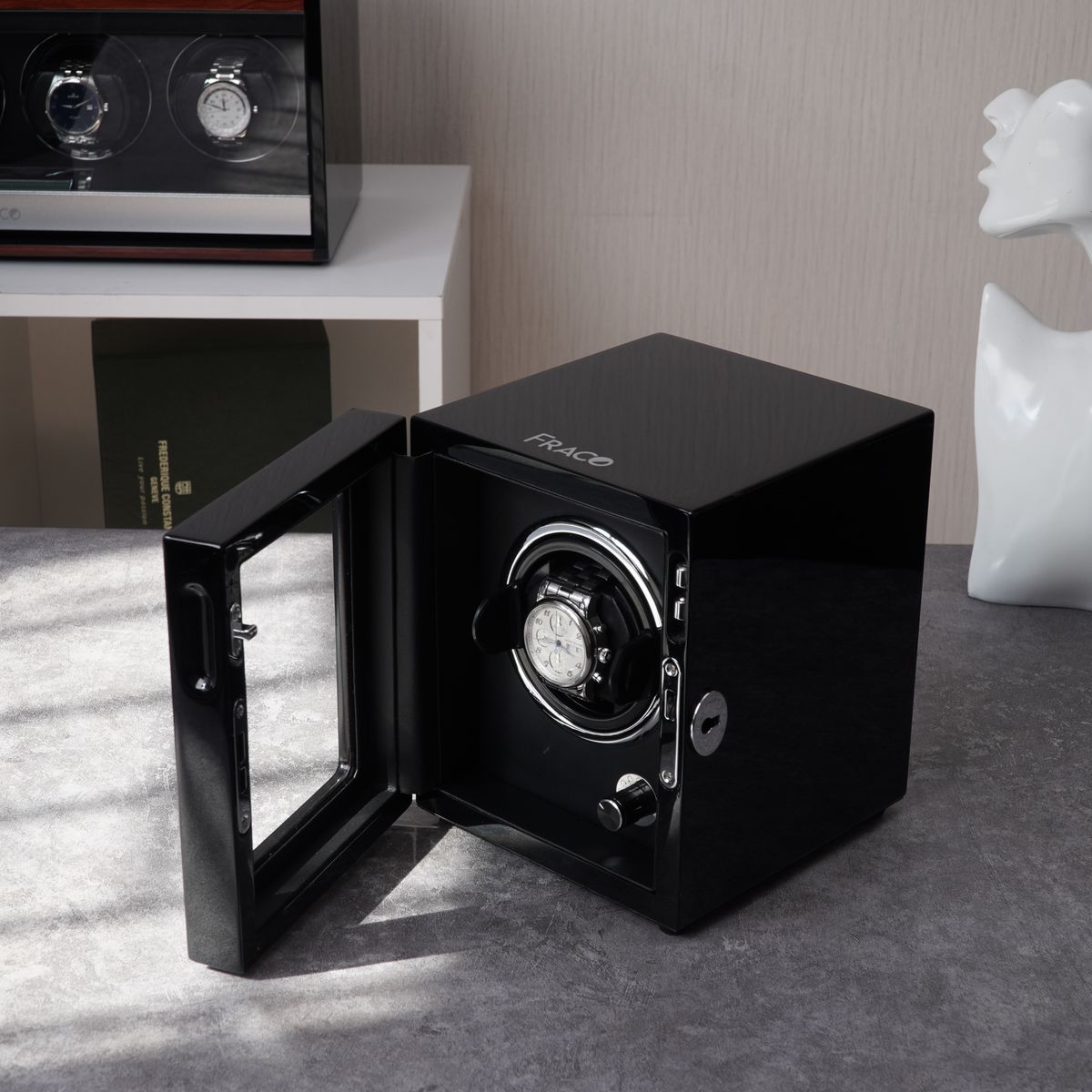
A watch winder gently rotates your automatic to keep it wound and ready.
What does a watch winder do?
An automatic (self-winding) watch is powered by the motion of your wrist. A weighted rotor inside spins as you move and winds the mainspring. When you take the watch off and set it down, that motion stops — and after roughly a day or two, the watch winds down and stops. A watch winder gently rotates the watch while it sits, mimicking the movement of your wrist so the watch stays wound and running. Pick it up and it's already keeping accurate time, with the date and any other functions set correctly — no resetting required.
Do you actually need one?
Honestly, it depends on how you wear your watches:
- You probably want a winder if you own several automatics and rotate between them, or your watch has complications like a perpetual calendar, day-date, or moonphase that are a chore to reset each time you put it on.
- You may not need one if you wear the same automatic every day, or you don't mind re-setting the time and date on the occasions you put it back on.
Beyond convenience, a good winder is also a beautiful, safe home for your watches — keeping them in one dust-free, cushioned place instead of loose in a drawer where they can get scratched or knocked around. For many collectors, that storage and display value is reason enough on its own.
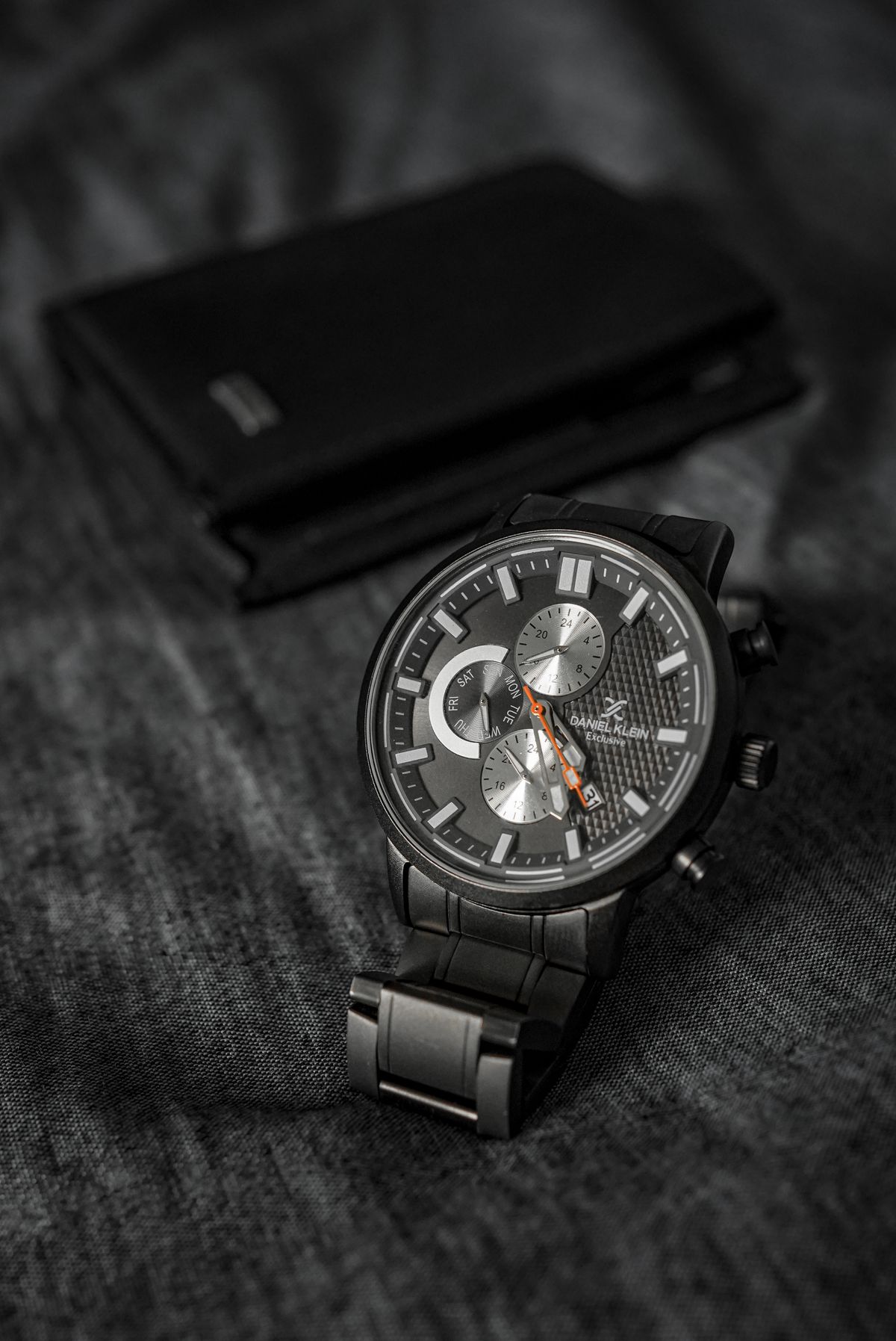
Winders are ideal for automatics you don't wear every day.
How to choose a watch winder
A few things separate a quality winder from a gimmick:
| What to look for | Why it matters |
|---|---|
| Adjustable turns per day (TPD) | Different movements need different amounts of winding; adjustability lets you match your watch |
| Bi-directional rotation | Winds movements that require clockwise, counter-clockwise, or both |
| Quiet motor | A winder often lives on a dresser or nightstand — you don't want to hear it |
| Capacity & build quality | Room for your collection now and later, with materials that protect your watches |
| Power options | AC adapter and/or battery power adds flexibility for placement |
Understanding turns per day (TPD) and direction
The two settings that matter most are turns per day and direction. TPD is how many rotations the winder gives your watch over 24 hours; most automatic movements are happy somewhere in the 650–900 range, though it varies by watch. Direction refers to how a movement winds — some wind clockwise, some counter-clockwise, and many both. A quality winder lets you set both so it matches your specific watch. The good news is that a well-designed winder rests between cycles rather than spinning constantly, so it delivers the winding your watch needs without overdoing it. If you're unsure of the right settings, we can help you dial them in.
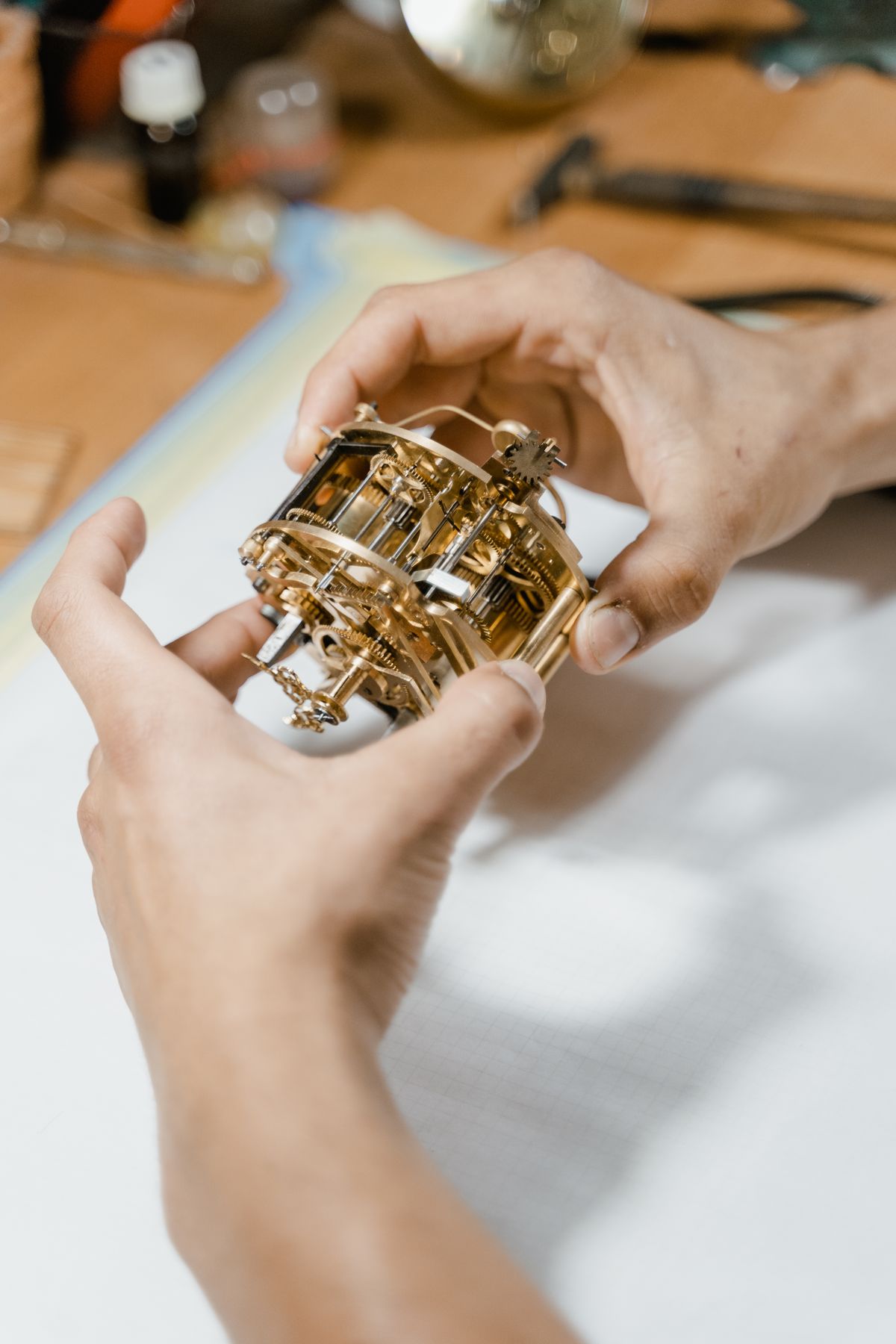
A winder keeps the mainspring wound so the movement never stops.
Is a winder bad for your watch? Common myths
A frequent worry is that a winder will "wear out" a watch or over-wind it. In practice, a quality winder set correctly is safe: automatic movements have a slipping clutch or bridle that prevents over-winding, and a good winder rests between cycles rather than running non-stop. The myths usually come from cheap winders that spin constantly or can't be adjusted. Stick with a reputable, adjustable winder and set it to sensible turns per day, and your watch is well cared for. If anything, keeping a complicated watch running spares you the wear of constantly hand-setting it.
How many watches, how big a winder?
Winders come in single-watch models and multi-watch units that hold two, four, six, or more timepieces, often with extra storage drawers for the watches you're not currently winding. A good rule of thumb is to buy for the collection you expect to have, not just the one you own today — collectors have a way of growing their shelves. A single winder is perfect if you have one automatic you want ready at all times. If you rotate between several, a multi-winder keeps them all set and displayed together. And if you own a mix of quartz and automatic watches, remember only the automatics need winding; the rest can simply be stored in the case.
Winder vs. simply resetting your watch
The alternative to a winder is easy: when you want to wear an automatic that has stopped, give it a few gentle shakes or a manual wind, then set the time and date. For a simple three-hand watch, that takes seconds and costs nothing. The case for a winder gets stronger as your watches get more complicated — setting a day-date, moonphase, or perpetual calendar correctly each time is fiddly, and getting it wrong (for example, adjusting the date late at night when the movement is mid-change) can even risk damage on some watches. If your automatics are simple and few, resetting is fine. If they're complicated or numerous, a winder quickly earns its place.
A winder makes a great gift
A quality watch winder is one of the best gifts for the automatic-watch owner in your life — useful, handsome, and something most people won't buy for themselves. Paired with a watch, or given to someone who already owns a nice automatic, it's a thoughtful upgrade to how they store and enjoy their collection. If you're shopping for a gift and aren't sure what the recipient's watch needs, our team can point you to a versatile, adjustable option that will suit almost any automatic.
Wolf Designs winders at Saltzman's
Saltzman's carries watch winders and cases from Wolf Designs, a name known for quiet motors, adjustable settings, and handsome finishes that suit anything from a single automatic to a growing collection. Whether you need a single winder for one prized watch or a multi-watch unit with storage for the rest of your collection, there's an option that fits. If you're not sure which winder suits your watch, bring it in — we'll help you match the rotation settings and pick the right size. Browse our accessories or ask us in store.
Caring for your watches on a winder
A winder is part of good watch ownership, not a substitute for service. Keep the winder somewhere stable and away from strong magnets, extreme heat, and direct sunlight, and give your automatic a proper service on a regular interval just as you would if you wore it daily. When you travel, many winders run on batteries so your watches stay ready at home. And if a watch ever runs poorly even on a correctly set winder, that's a sign it may be time for a service — something our certified watchmakers handle in-house.
Setting up your new winder
Getting started is simple. Place the winder on a stable surface away from heat and magnets, set the watch onto the cushion so it's snug but not strained, and dial in the turns per day and direction to match your movement. Give it a day, then check that your watch is fully wound and keeping time; if it's running down, nudge the turns per day up a little. Once it's set, the winder does the rest, and your automatic stays ready to grab and go. If you'd rather not guess at the settings, bring your watch to either of our stores and we'll get it configured with you.
Thinking about a winder? Visit either Rhode Island location and we'll show you the options in person.
Visit Saltzman's WatchesFrequently asked questions
Is a watch winder bad for an automatic watch?
A quality winder set to the correct turns per day is safe. The key is appropriate settings rather than constant spinning, which a good winder is designed to avoid.
Do quartz watches need a winder?
No. Winders are only for automatic (self-winding) mechanical watches. Quartz watches run on a battery.
How many turns per day does my watch need?
It varies by movement, commonly in the 650–900 range. Bring your watch in and we'll help you set the winder correctly.
Can a winder replace servicing my watch?
No. A winder keeps the watch running, but a mechanical watch still needs periodic cleaning and lubrication to stay healthy.
Should I keep my watch on a winder all the time?
It's fine to, especially for watches with complications you'd rather not reset. Some owners prefer to wind only the watches they'll wear soon — either approach works with a quality winder.
Can I use one winder for different watches?
Yes, as long as you can adjust the turns per day and direction to suit each watch. An adjustable winder makes it easy to rotate different automatics through it.
Saltzman's Watches — Cranston · 401-946-0930 | Newport · 401-841-0011
A Rhode Island family watch business since 1940.