
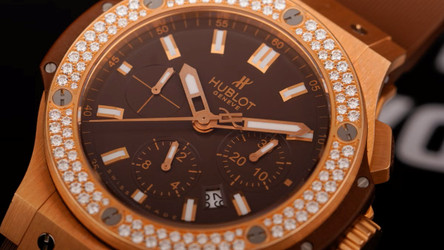
What Is a Chronograph Watch? How It Works and How to Use It
Posted by Evan Saltzman on 4th Aug 2026
You've seen watches with extra dials and buttons on the side of the case and wondered what they do. That's a chronograph — one of the most useful and popular watch complications ever made. This guide explains what a chronograph watch is, how it works, how to use one, and how to choose the right one for your wrist.
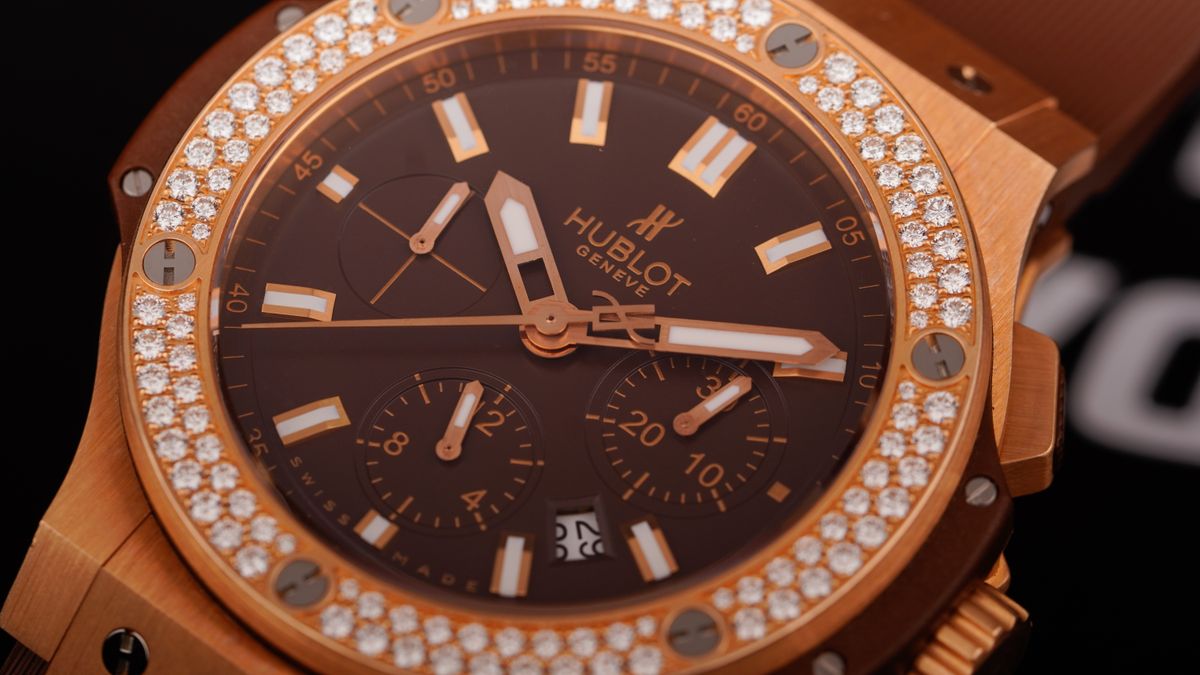
A chronograph's subdials and pushers make it a wristwatch and stopwatch in one.
What is a chronograph watch?
A chronograph is a watch that also works as a stopwatch. It keeps regular time like any watch, but adds a separate timing function you can start, stop, and reset without affecting the main time. The word comes from the Greek for "time writer." Chronographs have been prized for over a century by drivers, pilots, divers, scientists, and anyone who likes a watch that does more than simply tell the time. Beyond their usefulness, they're also among the most handsome and mechanically interesting watches you can own, which is a big part of their enduring popularity.
The parts explained: subdials and pushers
Two features set a chronograph apart from a standard watch:
- Pushers — the buttons above and below the crown. The top one usually starts and stops the timer; the bottom one resets it.
- Subdials — the smaller dials on the face. These count the elapsed minutes and hours while the large central hand times the seconds. One subdial is often a "running seconds" dial that shows the watch is ticking normally.
So on a chronograph, the big sweeping hand usually isn't the regular seconds hand — it's the stopwatch hand, waiting for you to press start. That's the single most common point of confusion for people new to chronographs, and once it clicks, the whole dial makes sense.
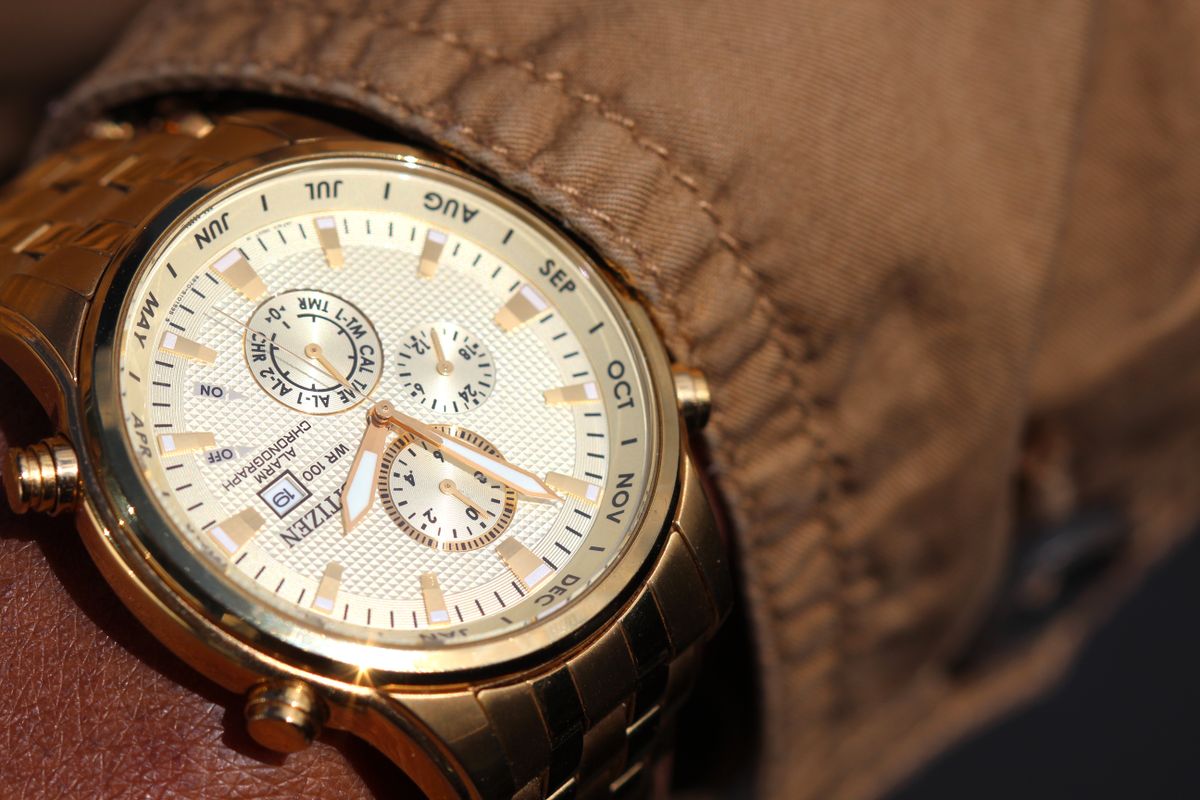
The pushers beside the crown start, stop, and reset the timer.
How to use a chronograph
Using one is simple once you know the sequence:
- Press the top pusher to start timing.
- Press the top pusher again to stop and read the elapsed time from the central hand and subdials.
- Press the bottom pusher to reset the hands back to zero.
A couple of tips for longevity: reset the chronograph to zero before setting the watch down for the day rather than leaving it running, and avoid engaging the pushers underwater unless your watch is specifically designed for it. Treat the pushers gently — they're precision parts, not elevator buttons.
What can you actually use it for?
A chronograph isn't just decorative. People use the timing function every day for things like:
- Timing a workout, a run, or rest intervals
- Cooking, brewing coffee, or steeping tea
- Tracking parking meters or how long a task takes
- Timing laps at the track, or a leg of a drive
Some chronographs add a tachymeter scale around the bezel, which lets you calculate speed over a known distance — a nod to the chronograph's motorsport heritage. It looks complex, but it's just a quick way to turn elapsed time into miles per hour.
Chronograph vs. chronometer — not the same thing
These two look-alike words confuse a lot of people. A chronograph is a stopwatch complication. A chronometer is any watch certified to a high standard of accuracy. A watch can be one, the other, both, or neither — they're unrelated ideas that just happen to sound similar.
Quartz vs. automatic chronographs
Chronographs come in both quartz and mechanical (automatic) forms. A quartz chronograph is battery-powered, highly accurate, generally more affordable, and low-maintenance. An automatic chronograph is a mechanical marvel — no battery, a smooth sweeping hand, and often a display caseback that shows the movement working — but it costs more and benefits from periodic service. Neither is "better"; it comes down to whether you value grab-and-go convenience or mechanical craftsmanship. If you're unsure, trying both on makes the choice obvious surprisingly fast.
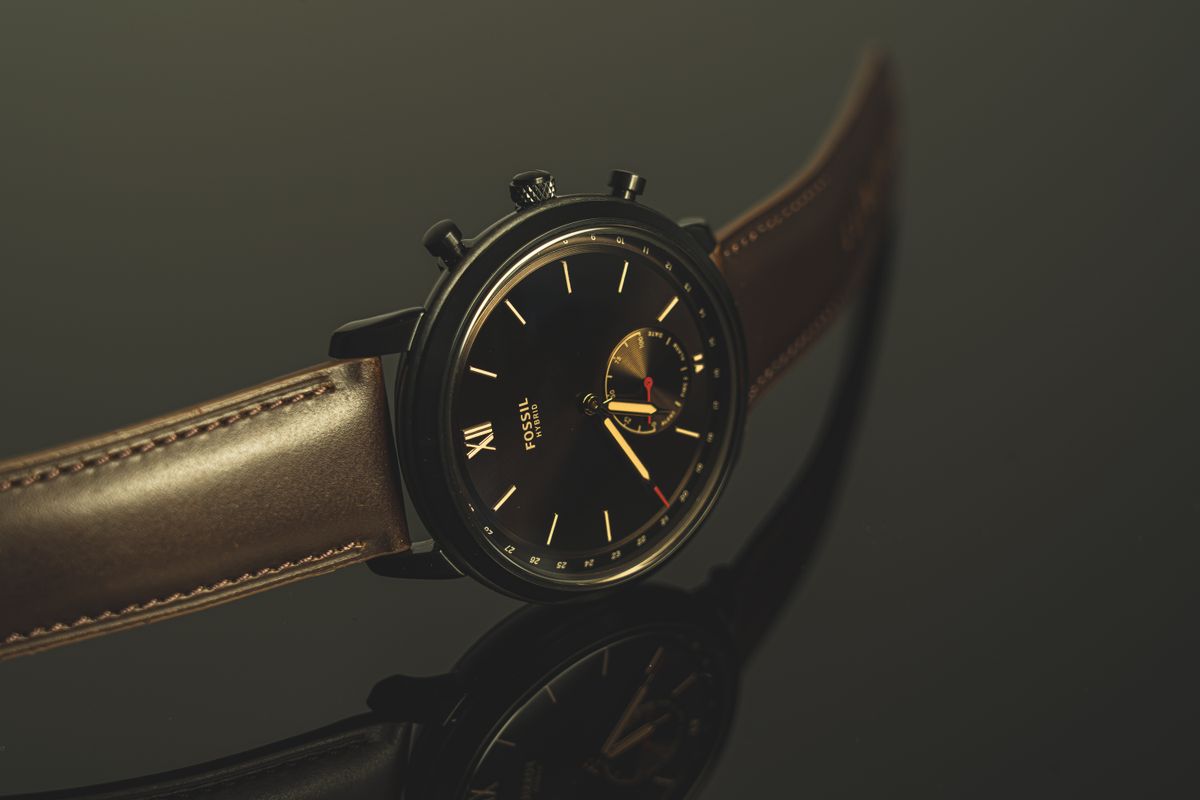
Chronographs come in quartz and automatic versions to suit any budget.
How to choose a chronograph
A few things to weigh when picking one out:
- Size and fit — chronographs often wear a little larger because of their subdials, so try before you buy.
- Dial legibility — make sure the subdials and hands are easy to read at a glance.
- Movement — quartz for accuracy and value, automatic for craftsmanship.
- Water resistance — important if you'll wear it swimming or on the water.
- Style — from racing-inspired to dressy, there's a chronograph for every look.
A brief history of the chronograph
The chronograph has a rich backstory. Early versions appeared in the 1800s, and by the twentieth century the complication had become essential equipment for professionals who needed to measure time precisely — racing drivers timing laps, pilots calculating flight legs, and doctors checking a pulse with a specialized "pulsometer" scale. The chronograph even went to the moon on the wrists of astronauts, cementing its reputation as a tool watch you could trust in extreme conditions. That heritage is a big part of the appeal today: when you strap on a chronograph, you're wearing a design refined over more than a century of real-world use. Many of the styling cues you see now — the twin subdials, the tachymeter bezel, the pump-style pushers — trace directly back to those professional origins.
Reading a tachymeter scale
If your chronograph has numbers printed around the outer edge (often on the bezel), that's a tachymeter, and it measures speed based on travel time over a fixed distance. To use it, start the chronograph as you pass a starting point, stop it after exactly one mile (or one kilometer), and read the number the central hand points to on the tachymeter scale — that's your average speed in miles (or kilometers) per hour. It's a clever analog calculator with roots in motorsport, and while few people use it daily, it's a satisfying feature that connects the watch to its racing heritage. Don't worry if you never use it; plenty of owners simply enjoy how it looks.
Caring for your chronograph
Because a chronograph has more going on inside than a basic watch, a little care keeps it healthy. Reset the timer to zero rather than leaving it running for long stretches, keep the pushers and crown pushed in (and screwed down, if your watch has screw-down pushers) to protect water resistance, and have the watch serviced periodically so the timing mechanism stays crisp. If a pusher feels stuck, gritty, or unresponsive, don't force it — bring the watch in. Our certified watchmakers service chronographs in-house, so a small adjustment now can prevent a bigger repair later.
Popular chronographs at Saltzman's
Saltzman's carries chronographs across a range of styles and budgets, including models from TAG Heuer, Breitling, Tissot, Citizen, and Hamilton. Come try a few on and feel the difference between a clean three-hand watch and a chronograph on the wrist, or browse our full watch collection. And when your chronograph eventually needs service, our certified watchmakers handle it in-house.
Are chronographs worth it?
For most watch lovers, the answer is a happy yes. A chronograph gives you genuine functionality, timeless style, and a connection to a century of history, all on your wrist. Even if you rarely time anything, the extra dials and pushers add depth and character that a plain watch can't match, and a well-made chronograph holds its appeal for decades. They also make excellent milestone gifts for exactly that reason — a graduation, a big birthday, or a career achievement pairs naturally with a watch built to mark time. The key is choosing one that fits your wrist and your daily life, which is precisely where trying a few on in person pays off.
Curious about chronographs? Visit either Rhode Island location and our team will walk you through the options.
Visit Saltzman's WatchesFrequently asked questions
What is the point of a chronograph watch?
It lets you time events like laps, cooking, or workouts using a built-in stopwatch, while still keeping normal time.
What is the difference between a chronograph and a chronometer?
A chronograph is a stopwatch feature. A chronometer is a watch certified for high accuracy. They're unrelated terms that happen to sound similar.
What are the small dials on a chronograph for?
They count elapsed minutes and hours while timing, and one usually shows running seconds so you can see the watch is keeping time.
Can I swim with a chronograph?
Only if it's rated for it, and you should avoid pressing the pushers underwater unless the watch is specifically designed for that. Check the water-resistance rating first.
Do chronographs need special service?
They have more moving parts than a simple watch, so periodic service keeps the pushers and timing mechanism working smoothly. Our watchmakers service chronographs in-house.
What is a tachymeter on a chronograph?
It's a scale, usually on the bezel, that converts elapsed time over a set distance into speed — a nod to the chronograph's motorsport roots. It's a fun feature, but you never have to use it.
Saltzman's Watches — Cranston · 401-946-0930 | Newport · 401-841-0011
A Rhode Island family watch business since 1940.