
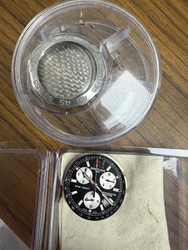
What to Do If Your Watch Gets Wet: Water Damage Repair
Posted by Evan Saltzman on 16th Sep 2026
Fog under the crystal, droplets on the dial, a watch that suddenly stops after a swim — water inside a watch is bad news, and acting fast makes all the difference. Here's what to do (and what not to do) if your watch gets wet, how water damage is repaired, and how to keep it from happening again.
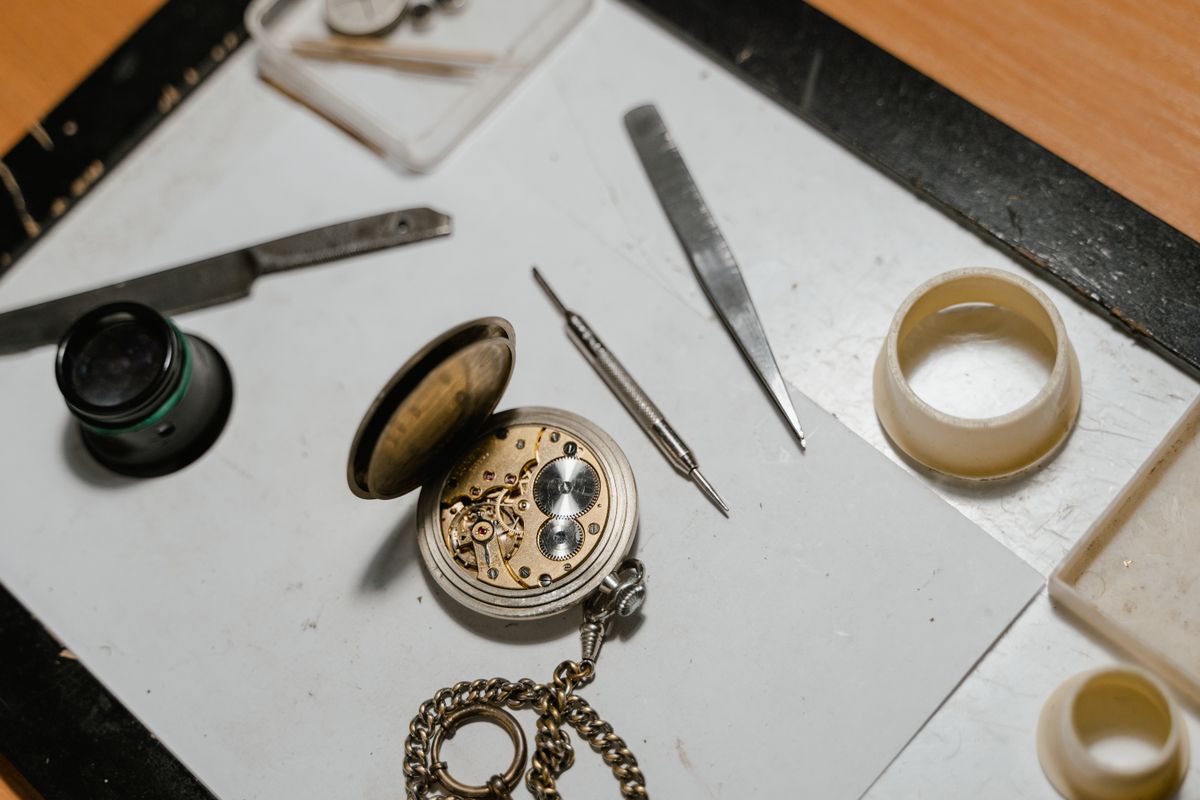
Water damage is treated fast to protect the movement.
Why water is so dangerous to a watch
Water is one of the worst things that can get inside a watch. Once moisture reaches the movement, it begins to rust steel parts and corrode delicate components — and unlike a dead battery, that damage doesn't wait. Left alone, a little condensation can turn into rust and corrosion that ruins a movement in a matter of days or weeks. That's why water intrusion is a time-sensitive problem: the faster it's addressed, the more of the watch can usually be saved. Understanding that urgency is the single most important thing to take from this guide. See all our repair services on the watch repair page.
Signs water has gotten in
- Fog or condensation under the crystal — the most common and clearest sign.
- Visible droplets on the inside of the crystal or on the dial.
- The watch stops or behaves erratically after exposure to water.
- A dial or hands that look spotted, stained, or discolored.
- Rust-colored specks appearing inside the watch — a serious warning sign.
If you see any of these, treat it as urgent and have the watch looked at right away.
First steps if your watch gets wet
If your watch takes on water, a few immediate actions help limit the damage:
- Get it out of the water and dry the outside thoroughly with a soft cloth.
- Make sure the crown is pushed fully in (and screwed down, if applicable) to stop more water entering.
- Don't wear it — body heat and movement can spread moisture inside.
- Get it to a watchmaker as soon as possible — the same day if you can — so the movement can be dried and protected before corrosion sets in.
Speed matters far more than anything else here. The sooner a professional opens and dries the watch, the better the outcome.
What not to do
Avoid the popular "home remedies." Don't put your watch in a microwave or oven, or blast it with a hair dryer — heat can damage the movement, dial, and seals. Don't leave it in direct sun for hours. And skip the rice trick; it won't pull moisture from a sealed case and can leave dust and starch behind. These shortcuts usually do more harm than good. The reliable fix is to get the watch to a watchmaker who can open, dry, and treat it properly.
How water damage is repaired
The right response depends on how far the moisture got. Caught early, it may be as simple as opening the case, drying the movement, and replacing the seals before damage occurs. If water has been inside longer, a full service is usually needed — disassembling the movement, cleaning and treating any corrosion, replacing rusted or damaged parts, re-lubricating, reassembling, and resealing and pressure-testing the case. We'll evaluate the watch, tell you honestly how much damage there is and what it will take, and provide an estimate before any work. The earlier you bring it in, the simpler and less costly the repair tends to be.
How watches let water in
Water usually gets in through worn or damaged seals, an open or loose crown, or a cracked crystal — not because a watch is "waterproof" and failed. Water resistance depends on gaskets that age and harden over time, so a watch that was fine years ago may no longer keep water out. Operating the crown or pushers underwater, hot showers and steam, and a crown that wasn't screwed down are all common culprits. The good news is that most of these are preventable with maintained seals and a few careful habits.
Preventing water damage
A little prevention goes a long way. Always make sure the crown is fully closed (and screwed down, if applicable) before any contact with water, and never operate the crown or pushers while the watch is wet. Have your watch's water resistance tested periodically, since seals age — and always have it resealed and tested after a battery replacement or any time the case is opened. Rinse off salt water and dry the watch after swimming. And remember that "water resistant" is not "waterproof" — know your watch's rating and respect its limits.
Know your water resistance rating
Ratings are more conservative than they sound. A 30m (3 ATM) watch handles splashes and rain only — not swimming. 50m suits light swimming; 100m covers swimming and snorkeling; and 200m or more is true dive territory. These assume the seals are in good condition, which is why testing matters. If you're not sure of your watch's rating or the state of its seals, we can check both — far better than finding out the hard way.
Water damage repair at Saltzman's
If your watch has taken on water, don't wait — our certified watchmakers can dry, treat, and repair water-damaged watches in-house, and reseal and pressure-test them so they're protected again. Saltzman's has handled Rhode Island's watch repairs since 1940, with honest estimates up front and a 12-month guarantee on movement work. Bring your watch to our Cranston or Newport location as soon as possible.
Water in your watch? Bring it to our Cranston or Newport location right away — the sooner, the better.
Watch Repair at Saltzman'sSteam, showers, and everyday moisture
Water damage doesn't only come from swimming. Hot showers and steam are surprisingly hard on watches: heat expands the metal and can draw moist air past aging seals, and steam penetrates more easily than liquid water. Saunas and hot tubs are especially risky. Even a water-resistant watch isn't designed for hot, steamy environments, and repeated exposure accelerates seal failure. The simplest habit is to take your watch off before showering, bathing, or sitting in a sauna or hot tub. It's a small change that prevents a common and entirely avoidable cause of interior moisture and the corrosion that follows.
After a water repair: testing and peace of mind
Once we've dried and repaired a water-damaged watch, the final step is making sure it won't happen again. We replace the seals and pressure-test the case so you know its water resistance is restored, and we'll advise you honestly on what the watch can and can't handle going forward — especially important for an older watch whose original rating may no longer apply. You leave knowing your watch is sealed, tested, and safe for everyday life. And if you're ever unsure before a beach trip or a summer of swimming, a quick water-resistance test is inexpensive peace of mind.
Serving Rhode Island since 1940
When water gets into a watch, fast, expert help matters — and that's exactly what Saltzman's has offered the region since 1940. Our certified watchmakers dry, treat, and repair water-damaged watches in-house, then reseal and pressure-test them so they're protected again. Customers rush watches to our Cranston and Newport locations from across Rhode Island, southeastern Massachusetts, and eastern Connecticut, and our mail-in service helps everyone else. Wherever you are, you'll get a prompt, honest evaluation, a clear estimate, and guaranteed work. The sooner you bring a wet watch in, the more we can usually save — so don't wait.
Don't panic — but do act quickly
If you spot moisture in your watch, there's no need to panic, but there is a need to move. The outcome depends far more on how fast the watch reaches a watchmaker than on anything you do at home. Resist the urge to try heat, rice, or other shortcuts, keep the crown pushed in, set the watch aside rather than wearing it, and bring it to us as soon as you can. Caught quickly, many water-damaged watches are saved with a simple drying and new seals; left for weeks, the same watch may need extensive repair. Speed is genuinely your best tool — so when in doubt, come in.
Frequently asked questions
My watch has fog under the crystal — what should I do?
Treat it as urgent. Keep the crown pushed in, stop wearing the watch, and get it to a watchmaker as soon as possible so the movement can be dried before corrosion starts.
Does the rice trick work for a wet watch?
No. Rice won't draw moisture from a sealed case and can leave dust and starch behind. The reliable fix is to have a watchmaker open, dry, and treat the watch.
Can a water-damaged watch be saved?
Often, yes — especially if you act quickly. Caught early it may just need drying and new seals; if water has been in longer, a full service can usually restore it. We'll assess it honestly.
How can I prevent water damage?
Keep the crown fully closed before water contact, have seals tested periodically, reseal after any battery change, and respect your watch's water-resistance rating.
Saltzman's Watches — Cranston · 401-946-0930 | Newport · 401-841-0011
Rhode Island watch repair, done right since 1940.